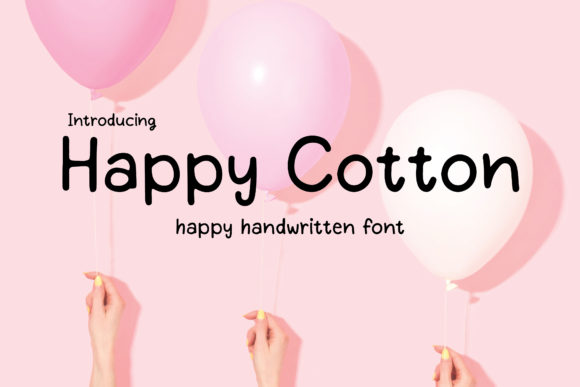
Happy Cotton Font for Creative Design
Happy Cotton is a sweet and friendly handwritten font that brings a natural, unique style to any design project. Its approachable personality makes it ideal for editorial work, branding, and content that needs to feel warm and inviting. Whether you're designing a blog header or crafting a printable guide, Happy Cotton adds character without sacrificing clarity.
As a script handwritten font, Happy Cotton offers a handcrafted look that feels personal and expressive. The subtle variations in stroke weight and the soft curves of each letter make it perfect for headings, quotes, and visual accents. Its readability on screen and in print ensures it can be used effectively in both digital and physical formats.
Using Happy Cotton in Editorial Design
In editorial design, Happy Cotton can elevate the visual tone of your content. It works well as a headline font for blogs, magazines, and newsletters, offering a friendly contrast to more traditional typefaces. When paired with a clean serif or sans serif font, it creates a balanced layout that draws readers in while maintaining legibility.
For magazine covers, Happy Cotton adds a touch of personality that can help your publication stand out. It's also great for section headings, pull quotes, and chapter openers. In ebook titles, it gives a sense of warmth and approachability that can encourage readers to pick up your work.
Happy Cotton in Content Branding and Reader Engagement
Branding is all about consistency and identity, and Happy Cotton can play a key role in shaping your visual voice. Whether you're creating a lifestyle blog, a recipe ebook, or a wedding guide, this font helps establish a cohesive look that resonates with your audience. Its friendly style supports a welcoming tone that can increase reader engagement.
For printable materials like worksheets, planners, and lead magnets, Happy Cotton adds a tactile, personal feel. It’s especially effective in designs that aim to inspire, educate, or entertain. In coaching workbooks or digital magazines, it can reinforce the message of creativity and connection.
Practical Applications for Happy Cotton
When using Happy Cotton, consider its strengths as a display font. It shines in short, impactful text such as headlines, subheadings, and accent typography. For longer reading, it's best used sparingly to avoid fatigue. However, when used correctly, it can add visual interest and emotional resonance to your layouts.
Pairing Happy Cotton with a readable serif font like Georgia or Garamond can create a classic, elegant look. Alternatively, pairing it with a modern sans serif like Open Sans or Lato offers a clean, contemporary balance. These combinations work well for body copy, captions, and navigation elements in editorial projects.
Designing for Readability and Versatility
Happy Cotton is designed with readability in mind, making it suitable for both screen and print. On mobile devices, its legible structure ensures that headings remain clear and easy to read. In PDFs, it maintains its character without losing quality. For print, it adds a human touch that can enhance the overall aesthetic of your work.
The font includes a range of styles, alternates, and ligatures that allow for creative expression. These features enable designers to customize their layouts while keeping a consistent visual language. Multilingual support ensures that it can be used across a wide range of projects and audiences.
Commercial Use and Licensing Considerations
Happy Cotton is a premium font that comes with commercial licensing options. This makes it suitable for use in ebooks, templates, printables, paid newsletters, client publications, and digital downloads. Always check the licensing terms to ensure compliance with your specific project needs.
Whether you're a blogger, publisher, or designer, Happy Cotton offers a versatile tool for enhancing your content. Its friendly, handwritten style brings a sense of warmth and authenticity that can set your work apart. With careful use and thoughtful pairing, it can become a valuable asset in your design toolkit.
By incorporating Happy Cotton into your editorial projects, you're not just choosing a font—you're selecting a visual voice that speaks to your audience. From blog headers to printable guides, it adds a personal touch that can make your content more engaging and memorable.