Smilestar: A Handwritten Font for Elegant Design
When redesigning the header for a lifestyle blog, I found myself searching for a font that could balance warmth with sophistication. Smilestar fit perfectly—its soft curves and confident strokes brought a sense of approachable luxury to the page. As a handwritten script font, it felt like a breath of fresh air in a sea of rigid typefaces.
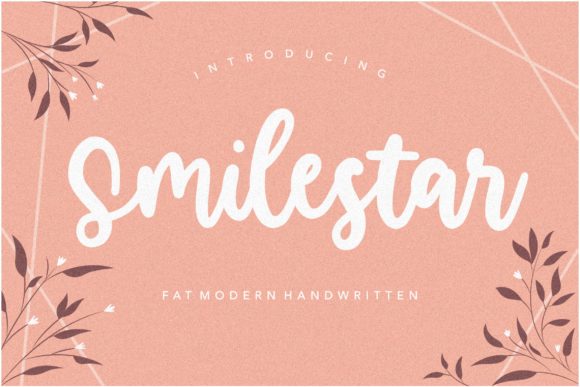
Smilestar’s visual character is both inviting and refined. Its lowercase letters flow with a natural rhythm, while the uppercase forms add a touch of boldness. The font carries a personality that feels personal, as if it were written by a friend who understands the art of communication. It’s not just a font; it’s a design choice that adds soul to any project.
For editorial designers, Smilestar offers a unique way to create visual hierarchy without sacrificing readability. It works beautifully as a headline or title, drawing the eye with its expressive style. Yet, it also maintains enough clarity to be used in smaller text, such as pull quotes or section headings. This versatility makes it a valuable addition to any design toolkit.
One of the first places I used Smilestar was on a recipe ebook cover. The font’s elegance complemented the warm, inviting tone of the content. It added a personal touch that made the brand feel more authentic. Whether paired with a clean sans serif for body text or used alone as a decorative element, Smilestar adapts seamlessly to different design needs.
In a wedding guide, Smilestar became the perfect accent for chapter openers and special notes. Its soft, flowing lines evoked a sense of romance and refinement, aligning perfectly with the theme of the publication. It also worked well in printable wedding planners, where its legibility on small pages ensured that every detail remained clear and easy to read.
As a designer, I appreciate how Smilestar supports reader engagement. Its expressive nature can set the tone for a piece, guiding the audience through the content with a subtle yet powerful presence. In newsletters, it brings a sense of personality to headers and callout boxes, making the content feel more connected and intentional.
When considering long-form reading, Smilestar shines best in short bursts rather than extended paragraphs. Its ornate details are ideal for titles, subtitles, and key phrases that need to stand out. For body text, it’s best paired with a more structured font, such as a serif or sans serif, to ensure clarity and ease of reading across different devices and formats.
Readability is a crucial factor when choosing a font, especially for digital publications. Smilestar performs well on screens, maintaining its charm without becoming too busy or difficult to parse. On mobile layouts, its legibility remains consistent, and in PDF exports, it retains its crispness and detail. For print materials, the font’s organic texture adds a tactile quality that enhances the overall experience.
Font pairing is another area where Smilestar excels. When used alongside a classic serif font like Georgia or Garamond, it creates a balanced contrast that elevates the design. For modern layouts, pairing it with a minimalist sans serif like Lato or Open Sans can add a contemporary edge while keeping the focus on the message.
Before integrating Smilestar into any project, it’s important to explore its full range of features. Many script fonts offer alternate characters, ligatures, and stylistic sets that can enhance the design. Checking for multilingual support and file formats ensures compatibility across platforms and projects. Understanding the licensing terms is also essential, especially for commercial use in ebooks, templates, or client work.
Whether it’s for a blog header, an ebook title, or a printable planner, Smilestar brings a sense of authenticity and creativity to the design. It’s a font that invites connection, making it ideal for content that aims to resonate with readers on a deeper level. Its ability to blend elegance with accessibility makes it a standout choice for designers looking to elevate their work with a touch of personality.
As the digital landscape continues to evolve, the importance of thoughtful typography cannot be overstated. Smilestar offers a fresh perspective on how a single font can influence the mood, clarity, and impact of a design. For anyone seeking to create a more engaging and visually appealing layout, this handwritten script font is worth exploring.
From a lifestyle blog to a coaching workbook, Smilestar proves that typography is more than just a visual element—it’s a tool for storytelling. With its expressive style and versatile application, it’s a font that can transform the way content is experienced, one letter at a time.
As I continue to experiment with Smilestar in various projects, I’m reminded of the power of a well-chosen typeface. It’s not just about aesthetics; it’s about creating a meaningful connection between the content and the reader. And in that regard, Smilestar delivers with grace and style.